JV’s Polity One Pager Document [14th September, 2024]
By Jatin Verma Sir
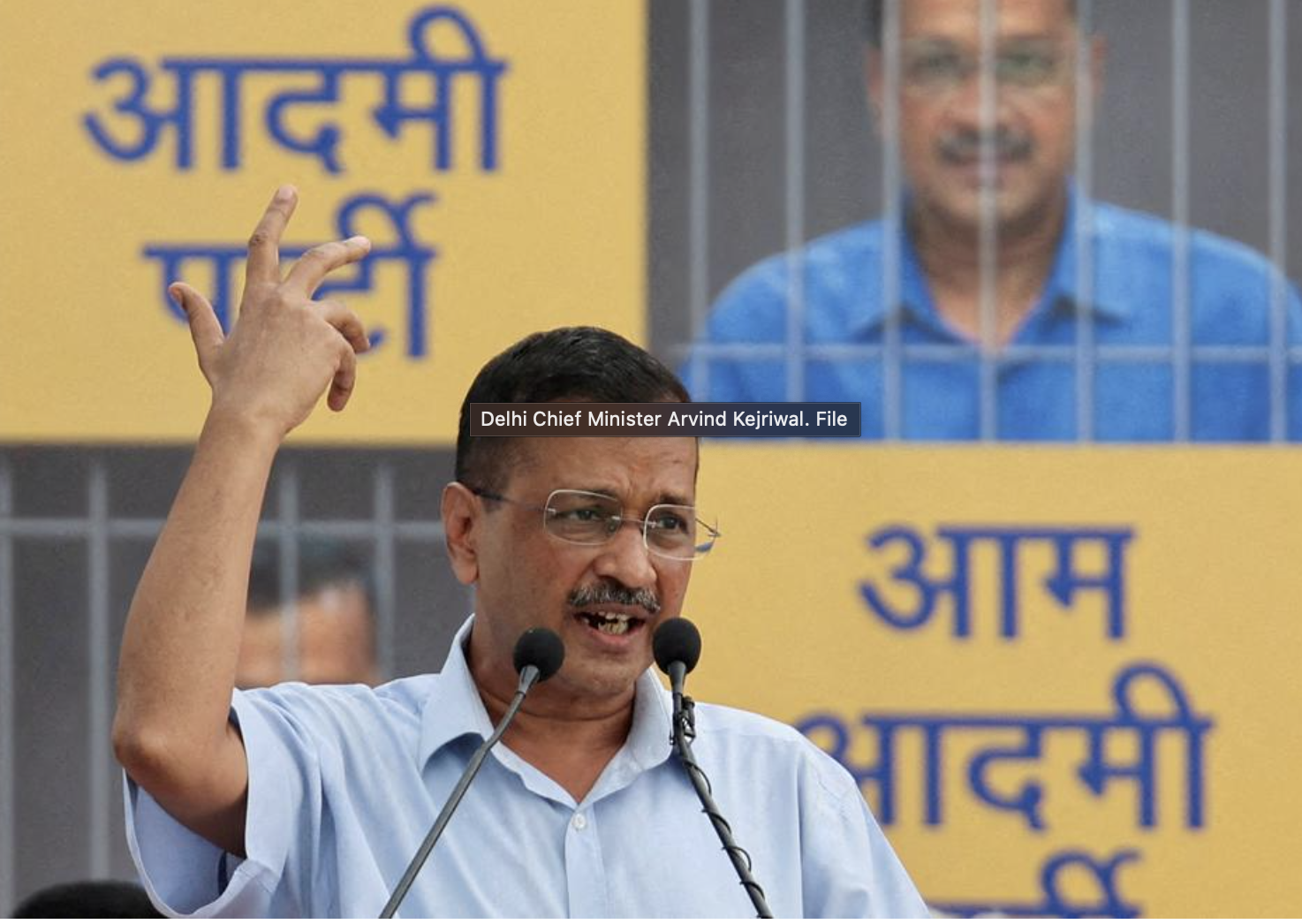
Important takeaways from S.C. judgement on the release of Arvind Kejriwal
What is triple test in case of bail application?
The triple test in bail is a set of three criteria that are used to determine whether to grant bail to an accused person:
- Flight risk: Whether the accused is likely to flee
- Tampering with evidence: Whether the accused is likely to tamper with evidence
- Influencing witnesses: Whether the accused is likely to influence witnesses
The triple test is based on the presumption of innocence and the goal of ensuring the accused's presence in court.
Also, as in this liquor scam case, if there is no likelihood of the completion of the trial in the immediate future, this could also become the ground for granting the bail as prolonged incarceration goes against the principles of articles 20 and 21.
On the manner in which he was arrested: It was contended that the central agency had failed to adhere to Section 41(1)(b)(ii) of the CrPC, which outlines the conditions under which a police officer may arrest an individual accused of a cognisable offence without a warrant. He argued that Mr. Kejriwal’s arrest without a warrant was illegal, as none of the stipulated conditions were applicable.
Secondly, fit was further asserted before the court that since the Chief Minister was already in custody at the time of the CBI arrest, there was no risk of him committing any further offences. He also refuted the possibility of evidence tampering, noting that the charge sheets had already been filed.
On Article 20:
1. An accused cannot be branded non-cooperative because he did not answer questions the way his interrogators wanted them answered
2. Every accused had a right to remain silent. No adverse inference can be drawn from the silence of an accused. An accused cannot be forced to make inculpatory statements against himself.
On the point of bail, both judges agreed the continued incarceration of Mr. Kejriwal violated his right to personal liberty.
Justice Bhuyan found no reason to hold Mr. Kejriwal captive in the CBI case when he had already been granted bail multiple times under the stringent provisions of the Prevention of Money Laundering Act.
On the conduct of CBI:
Noting that the power of arrest must be used sparingly and is not a ruse for harassment, S.C. urged the CBI to be above board in its actions like “Caesar’s wife” and give the public the perception of an “uncaged parrot”.
In a functional democracy governed by the rule of law, perception matters. Like Caesar’s wife, an investigating agency must be above board. Not so long ago, the Supreme Court had castigated the CBI for being a caged parrot. It is imperative that CBI dispel this notion. Rather, the perception should be that of an uncaged parrot
For holistic coverage of such insightful issues, Join Jatin verma Sir’s Current affairs course 2025-26 at www.jvias.com and download JV’s EDU App from Google playstore or whatsapp on our integrated whatsapp number 9582868080.